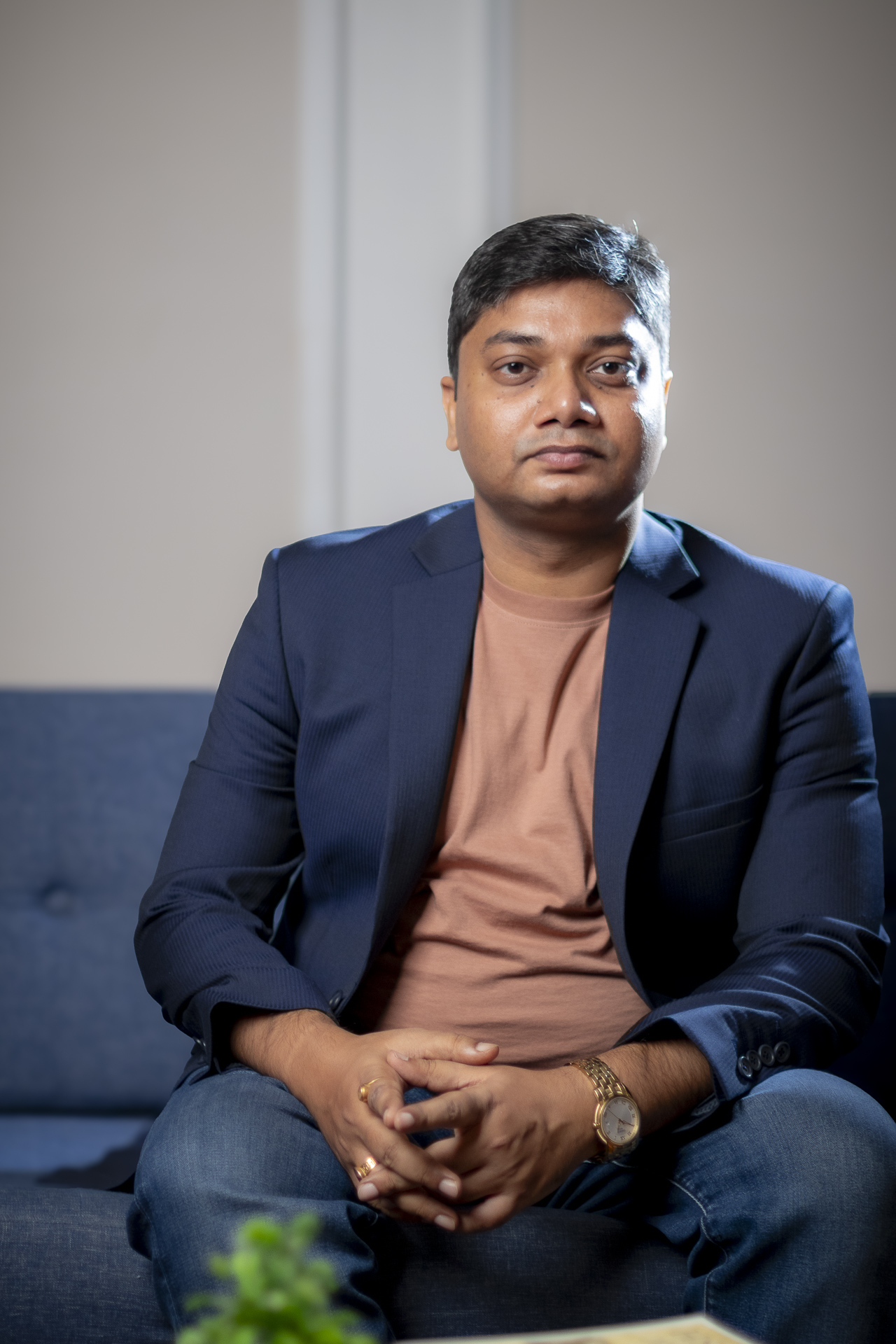
By Avilash Dhar | Business Consultant
The Indian business landscape is undergoing a fundamental transformation. Rising competition, changing consumer expectations, digital disruption and geopolitical uncertainty are forcing businesses to rethink how they operate. For MSMEs and startups, the challenge is no longer just generating sales; it is building an organisation capable of surviving market fluctuations, managing costs and achieving sustainable growth.
Over the past decade, Indian consumers have become more informed, digitally connected and selective. Price remains important, but convenience, product quality, brand trust, online reviews and customer experience increasingly influence purchasing decisions. India's UPI transaction volume has grown from approximately 1.78 crore annually in FY 2016–17 to over 24,162 crore in FY 2025–26, reflecting how dramatically consumer transactions have evolved.
Household spending patterns are changing too. According to the government's Household Consumption Expenditure Survey 2023–24, non-food expenditure accounts for approximately 53% of rural and 60% of urban household consumption. This indicates opportunities beyond traditional product categories, but also requires businesses to understand where customers are directing their spending.
The challenges are not limited to domestic markets. Global political developments, particularly the ongoing West Asia conflict involving the Gulf region, have highlighted how international events can affect Indian businesses. India recorded approximately US$178.56 billion in trade with GCC countries in FY 2024–25. Disruptions in shipping, energy supplies, freight costs and international trade can therefore affect manufacturers, exporters, distributors and even smaller businesses dependent on imported raw materials. CRISIL Intelligence projected that the West Asia conflict could moderate MSME revenue growth by 100 basis points in FY 2026–27, while reducing operating margins by 50–100 basis points.
In such an environment, business owners cannot depend entirely on traditional selling methods or past successes. They need to understand market movements, consumer behaviour, financial discipline, distribution efficiency, technology adoption and operational productivity. More importantly, these functions must work together rather than operate independently.
This is where experienced business leadership and strategic consulting become valuable.
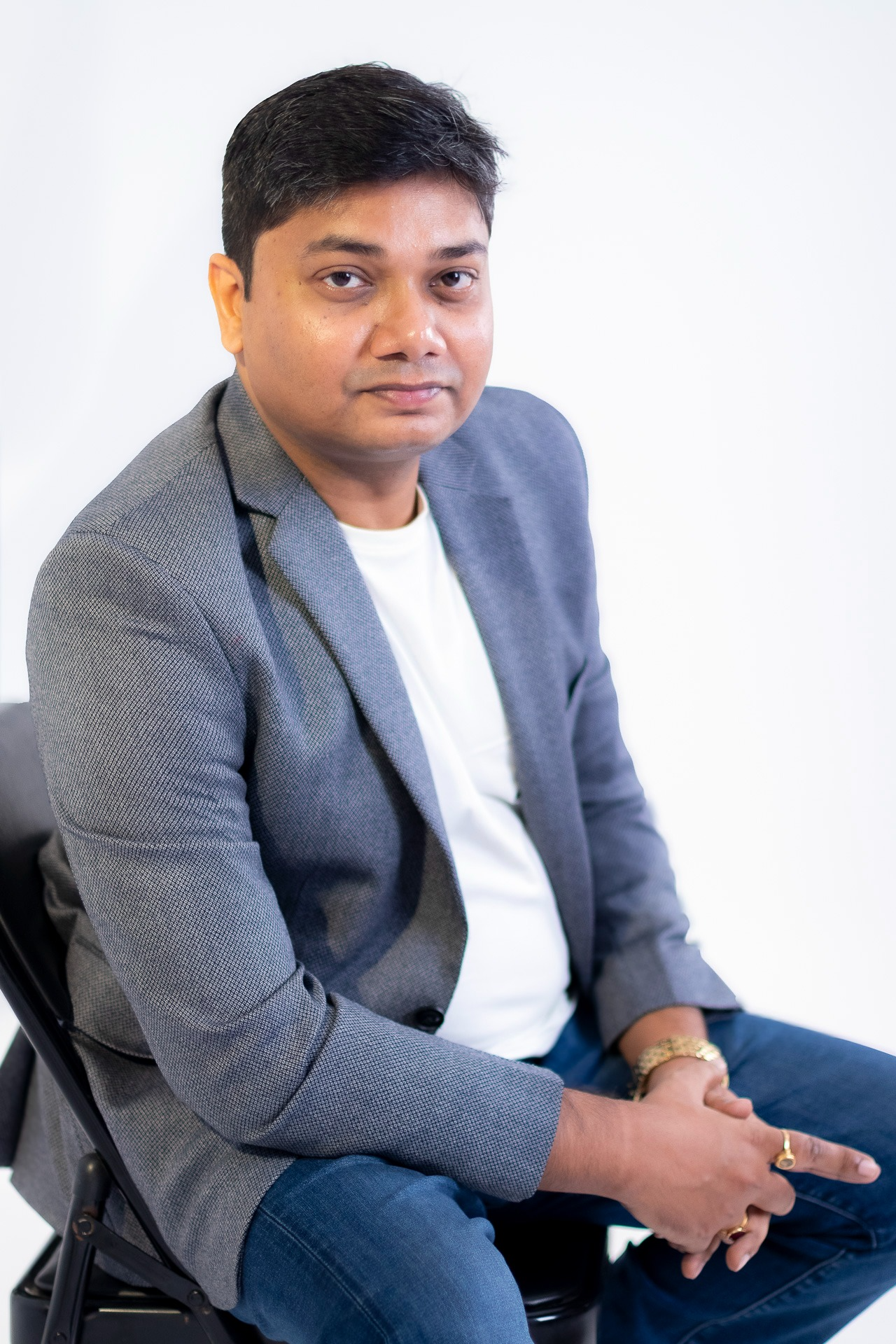
Kolkata-based Avilash Dhar brings nearly a decade of corporate experience across FMCG and commodities. At AWL Agro Business Ltd, formerly Adani Wilmar Limited, he worked across modern trade and e-commerce, contributing to a threefold increase in sales over approximately four to five years. His experience handling multi-state commodity markets, regional consumer behaviour, seasonality, team management, distribution and cross-functional coordination has given him a comprehensive understanding of how businesses operate and grow. An MBA graduate, he has also pursued additional learning in digital marketing and artificial intelligence.
Today, as an independent business consultant, Dhar works with startups, MSMEs and established businesses across FMCG, financial services, beverages and other sectors. His ambition is not merely to advise companies on increasing sales, but to help build businesses from the ground up, strengthen existing operations and create systems that support long-term expansion.
His approach begins with understanding the business as a whole: its financial structure, market positioning, customers, people, processes and growth potential. He identifies bottlenecks, prioritises practical improvements and develops strategies suited to each organisation rather than prescribing standard solutions.
For an entrepreneur starting from scratch, this means understanding how to establish the right sales channels, build distribution, position a brand, acquire customers and create sustainable operating systems. For an established business, it means identifying what is restricting growth and correcting it before investing further resources.
As India's entrepreneurial ecosystem becomes increasingly competitive, the businesses that succeed will be those that combine market understanding with strategic execution. The ability to build a business is important, but the ability to build one that can grow independently of its founder is what creates lasting value.
For business owners looking to start, strengthen or scale their organisations, having the right strategic perspective could make the difference between simply running a business and building an institution.
https://www.instagram.com/strategybyavilash?cplk=amE5M251aWlhaGd5&utm_source=qr